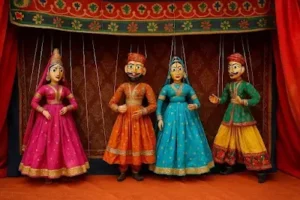
The joint family system is a traditional social structure in India where multiple generations live together under one roof. This system has been a cornerstone of Indian society for centuries, shaping relationships, responsibilities, and cultural values.
Structure and Function
In a joint family, grandparents, parents, children, and sometimes extended relatives share a common household. Responsibilities such as financial support, household chores, and caregiving are distributed among family members. This structure fosters cooperation and mutual dependence.
Also See : The History of Poland – A Story of Kings, Partitions, and National Survival
Values and Benefits
The joint family system emphasizes respect for elders, unity, and collective decision-making. It provides emotional support, stability, and a sense of belonging to all members. Children grow up learning cultural traditions, moral values, and social responsibilities from multiple generations.
Changing Dynamics
With urbanization and modernization, nuclear families are becoming more common in India. However, the values of the joint family system still influence modern lifestyles, with many families maintaining close ties and regular interactions despite living separately.
Cultural Significance
The joint family system represents the essence of Indian culture—togetherness, respect, and shared responsibility. It highlights the importance of family as the foundation of society and continues to influence social structures in contemporary India.