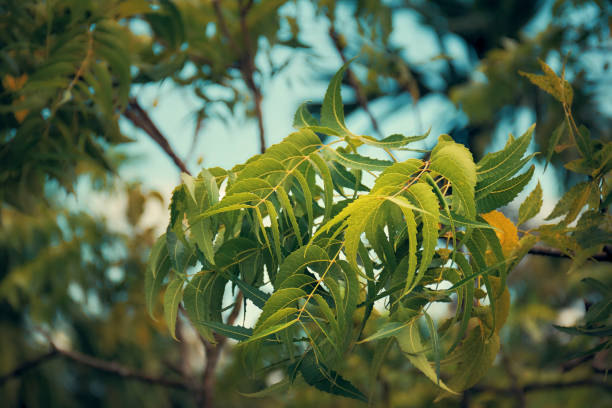
Neem Tree
The Neem tree, scientifically known as Azadirachta indica, is one of the most versatile and beneficial trees on Earth. Often called the “Village Pharmacy” in India, this evergreen tree has been revered for thousands of years in Ayurvedic medicine. Native to the Indian subcontinent, it now grows in tropical and subtropical regions worldwide, thriving in arid and semi-arid climates.
In this guide, we’ll dive into the benefits of the neem tree, its medicinal uses, agricultural applications, environmental advantages, and why it’s a sustainable powerhouse for health and farming.
Why Is the Neem Tree Called the Village Pharmacy?
Every part of the neem tree leaves, bark, seeds, flowers, and oil has powerful therapeutic properties. The key compound, azadirachtin, gives neem its antibacterial, antifungal, antiviral, and insect-repellent qualities.
Traditional and Modern Uses:
- Leaves: Chewed for oral health or boiled for teas to boost immunity.
- Bark: Used for dental twigs (datun) and skin treatments.
- Seeds and Oil: Extracted for potent neem oil, a staple in skincare and pest control.
- Flowers and Fruits: Edible in some preparations; fruits yield oil.
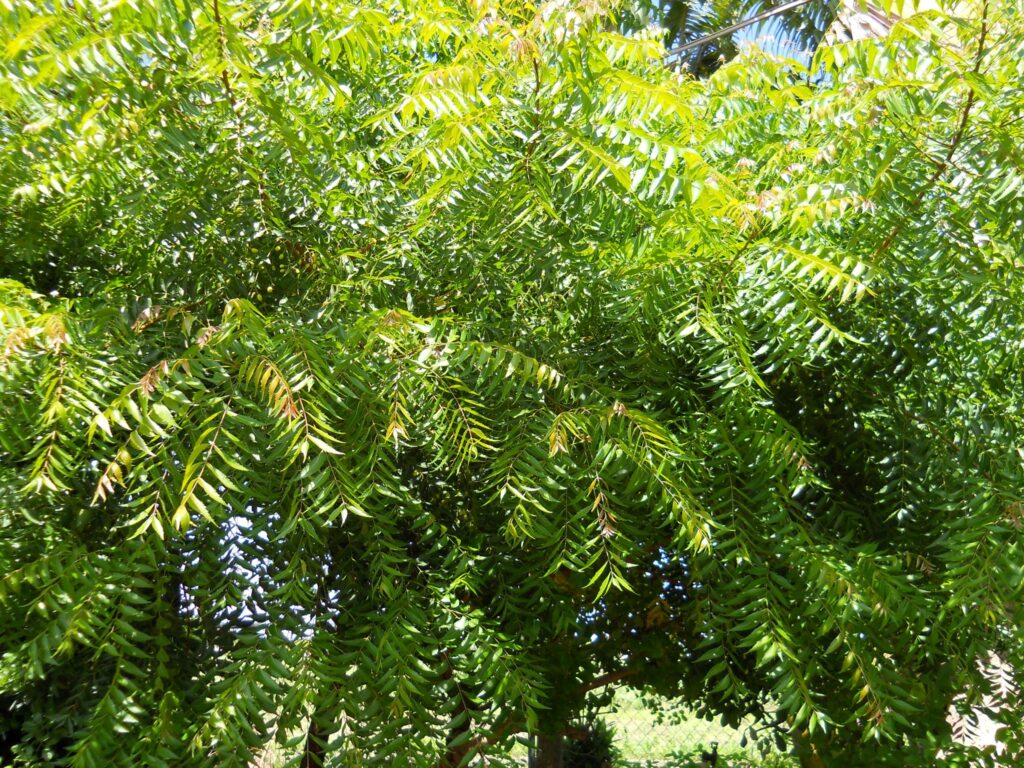
Health and Medicinal Benefits of Neem
Neem is backed by science for its wide-ranging health benefits:
- Skin Care – Treats acne, eczema, and psoriasis; neem oil soothes inflammation.
- Oral Health – Natural toothpaste alternative; fights cavities and gum disease.
- Immune Support – Antioxidant-rich; helps with diabetes management and detoxification.
- Hair Care – Controls dandruff and promotes growth.
- Other Benefits – Antimalarial properties and potential in cancer research.
Neem products like oil, powder, and capsules are popular in natural wellness routines.
Neem as a Natural Pesticide in Agriculture
One of neem’s greatest gifts is its role in organic farming:
- Insect Repellent – Azadirachtin disrupts pests’ life cycles without harming beneficial insects like bees.
- Safe Alternative – Unlike chemical pesticides, neem is biodegradable and non-toxic to humans and animals.
- Crop Protection – Effective against aphids, mites, locusts, and more; widely used on cotton, vegetables, and fruits.
Farmers in India and Africa rely on neem sprays for sustainable pest management.
Environmental and Economic Importance
Neem trees are drought-resistant and improve soil quality:
- Air Purification – Absorbs pollutants and provides shade in hot climates.
- Soil Enrichment – Fixes nitrogen and prevents erosion.
- Biodiversity – Supports wildlife and acts as a windbreak.
- Economy – Supports millions through neem oil exports and local products.
In rural India, neem is planted near homes for its protective and purifying qualities.
Growing Your Own Neem Tree
Neem is easy to grow in warm climates (USDA zones 9-11). It tolerates poor soil and needs minimal water once established. Start from seeds or saplings for a lifelong source of natural remedies.
Embrace the Power of the Neem Tree
The neem tree is a true gift from nature offering healing, protection, and sustainability. From traditional remedies to modern organic solutions, it’s essential for a healthier planet and people.