The history of Singapore is an inspiring story of transformation, resilience, and visionary leadership. What began as a modest trading post has evolved into one of the world’s most prosperous and modern nations. Known as the “Lion City,” Singapore’s journey features colonial roots, wartime struggles, unexpected independence, and extraordinary economic growth. If you’re looking for a Singapore history timeline, key events in Singaporean history, or captivating facts about this island nation, this overview highlights the pivotal moments that shaped its destiny.
Ancient Origins and the Founding of Modern Singapore
Singapore’s history traces back to the 14th century when it was known as Temasek, a thriving trading hub in the Majapahit Empire. Legend has it that a prince saw a lion here, inspiring the name “Singapura” (Sanskrit for “Lion City”).
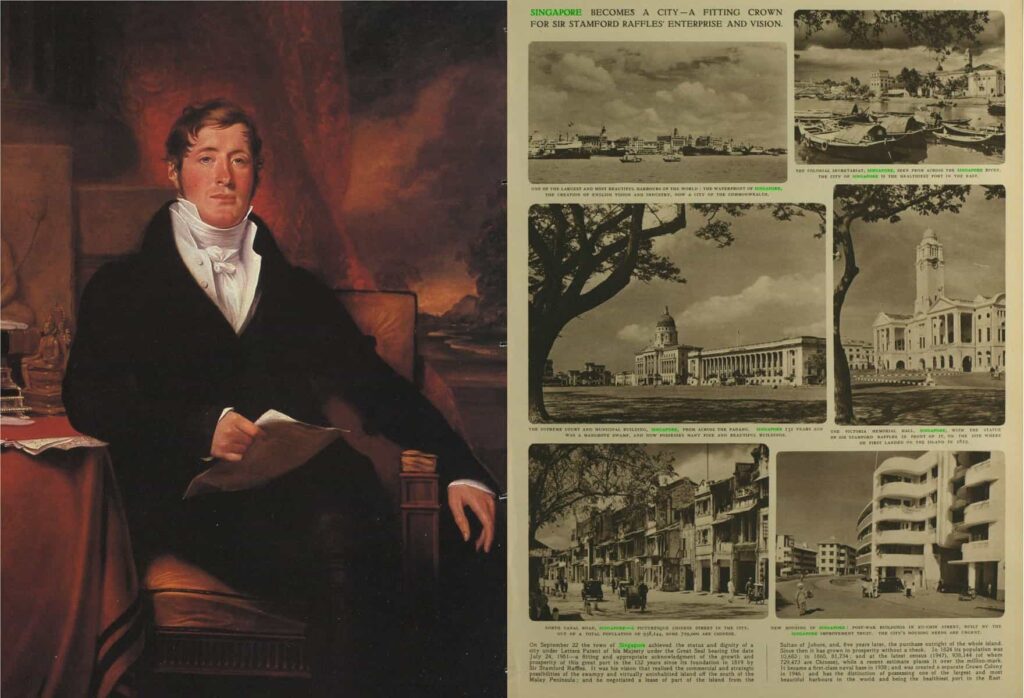
In 1819, British statesman Sir Stamford Raffles arrived and established a free trading post under the British East India Company, turning the sleepy fishing village into a strategic port.
Historic depictions of Raffles capture the dawn of Singapore’s modern era as a bustling entrepôt.
Colonial Era and World War II
By 1824, Singapore became a British colony, attracting immigrants from China, India, and Malaysia. The city grew rapidly with colonial architecture, rubber plantations, and tin mining fueling the economy.
Elegant colonial buildings from this period still grace the Civic District today.
During World War II, Singapore fell to Japanese forces in 1942 in a shocking defeat for the British. The occupation (1942–1945) was a dark chapter marked by hardship, ending with Japan’s surrender.
Path to Independence and Nation-Building
Post-war, Singapore joined the Federation of Malaysia in 1963 amid rising nationalism. However, ideological differences and tensions led to separation on August 9, 1965 Singapore’s unexpected independence.
The national flag raising symbolized a new beginning for the young republic.
Under Prime Minister Lee Kuan Yew (1959–1990), Singapore pursued rigorous policies: anti-corruption measures, education, housing, and foreign investment. From vulnerability, it built a “miracle” economy focused on finance, tech, and trade.
Lee Kuan Yew’s leadership transformed Singapore into a global powerhouse.
Modern Singapore: Innovation and Iconic Landmarks
Today, Singapore boasts a stunning skyline with landmarks like Marina Bay Sands and Gardens by the Bay. The iconic Merlion statue half-lion, half-fish embodies the city’s maritime heritage and spirit.
The Merlion remains a beloved symbol against the backdrop of Singapore’s futuristic skyline.
As a multicultural society blending Malay, Chinese, Indian, and Western influences, Singapore thrives on harmony and innovation.
Fun Facts from Singapore’s History
- Singapore is one of only three surviving city-states in the world (along with Monaco and Vatican City).
- It has no natural resources yet became one of the “Four Asian Tigers” economically.
- The national language is English, alongside Malay, Mandarin, and Tamil reflecting its diversity.
The history of Singapore proves that with determination and smart governance, even a small island can achieve greatness. From Raffles’ vision to its gleaming modern marvels, it’s a tale of extraordinary progress. Which chapter of Singapore’s story amazes you most? Drop a comment below!