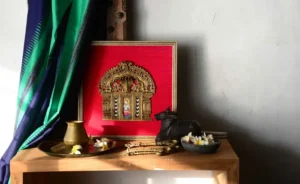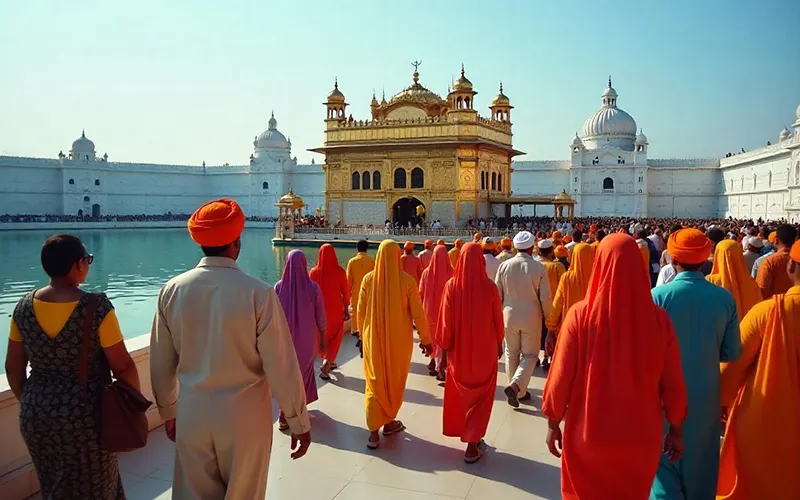
Pilgrimage, known as “Yatra” in India, is a deeply spiritual journey undertaken by millions of people every year. It is not just a physical यात्रा but also a path toward inner purification, devotion, and self-discovery. Pilgrimages are an essential part of Indian culture, reflecting faith, endurance, and spiritual dedication.
Major Pilgrimage Destinations
India is home to numerous sacred sites visited by devotees from different religions. Places like Varanasi, Rishikesh, Tirupati, and Amritsar attract pilgrims seeking blessings and spiritual fulfillment. Some pilgrimages, such as the Char Dham Yatra, involve visiting multiple holy sites and are considered highly sacred.
Also See : The Tradition of Fasting in Indian Culture
Rituals and Experiences
During a Yatra, pilgrims engage in various rituals such as prayer, meditation, fasting, and bathing in sacred rivers. The journey itself is often seen as an act of devotion, requiring patience and discipline. Many pilgrims travel long distances on foot as a form of spiritual commitment.
Cultural Significance
Pilgrimage strengthens faith and creates a sense of unity among people from diverse backgrounds. It highlights the importance of spirituality in everyday life and preserves ancient traditions that have been practiced for centuries. Yatra remains a powerful expression of India’s religious and cultural identity.