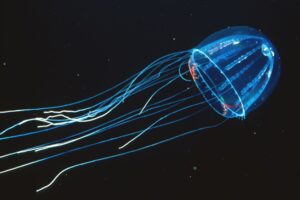
Bioluminescence is one of the most magical natural phenomena on Earth. It is the ability of living organisms to produce light through chemical reactions within their bodies. From glowing plankton along tropical beaches to deep sea creatures that shimmer in total darkness, bioluminescence adds mystery and beauty to the natural world. Although it often appears magical, the science behind it is both fascinating and complex. Understanding how and why organisms produce light reveals surprising details about evolution, survival, and communication.
What Is Bioluminescence
Bioluminescence is a form of cold light produced by living organisms. This light comes from a chemical reaction involving luciferin, a light producing molecule, and luciferase, an enzyme that triggers the reaction. When oxygen interacts with these components, it creates a glow that can appear blue, green, yellow, or even red in rare cases.
Unlike artificial light or fire, bioluminescent light does not produce heat. This makes it highly efficient and safe for the organisms that use it.
Where Bioluminescence Occurs
Bioluminescence is most common in the ocean. Scientists estimate that up to 80 percent of deep sea organisms can produce light. Since sunlight cannot penetrate to the deep ocean, many species rely on bioluminescence to hunt, communicate, or avoid predators.
However, bioluminescence also exists on land. Fireflies, glow worms, certain fungi, and a few insect species use light for mating, navigation, or defense.
How Bioluminescence Helps Organisms Survive
Many organisms use bioluminescence as a survival strategy.
Attracting prey
Deep sea predators such as anglerfish use glowing lures to attract smaller fish. The light acts as bait, drawing prey close enough to be captured.
Escaping predators
Some squid release glowing clouds of bioluminescent fluid to distract predators. Certain fish use sudden flashes of light to confuse and scare potential threats.
Communication
Fireflies use specific light patterns to attract mates. Each species has a unique flashing rhythm that helps individuals find compatible partners.
Camouflage
Some marine organisms use counter illumination, a technique where they produce light from their underside to match the brightness of the water above them. This prevents predators from seeing their silhouette and increases their chances of survival.
Bioluminescence and Human Exploration
Bioluminescence plays a major role in scientific research. Because luciferase reacts predictably to changes in cells, researchers use it as a biological marker to study diseases, track gene expression, and monitor cellular activity. This has led to advancements in medical research and biotechnology.
In marine biology, glowing organisms help scientists explore deep sea ecosystems where traditional light sources may disturb wildlife. Bioluminescent species act as natural indicators of environmental health and ocean conditions.
Bioluminescent Wonders Around the World
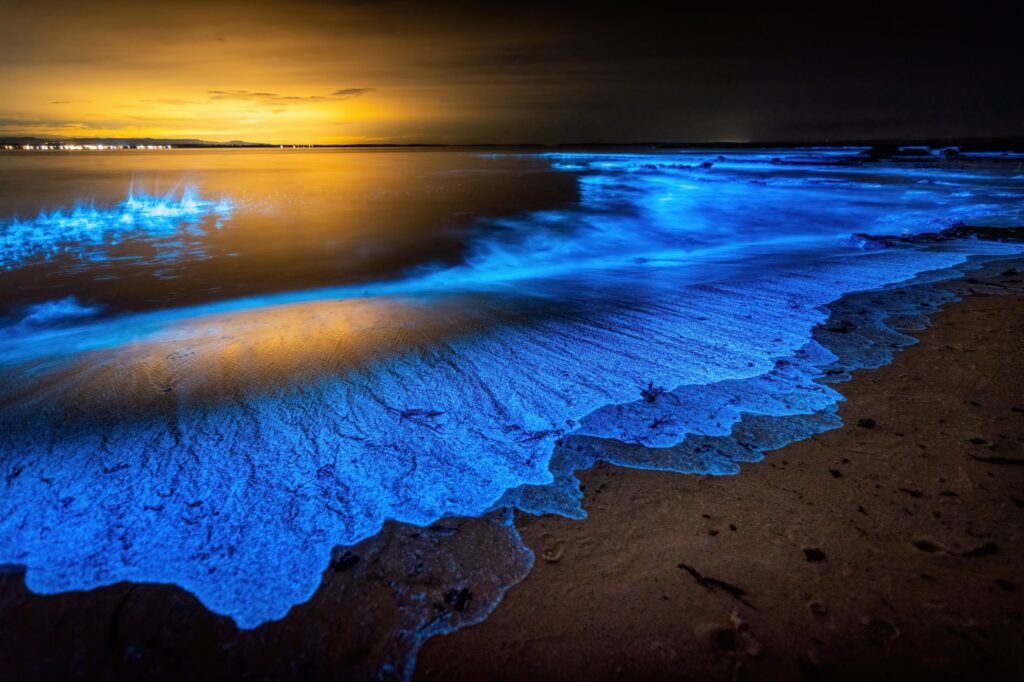
Several locations around the world are famous for their glowing waters. Beaches in Puerto Rico, the Maldives, Thailand, and Jamaica attract visitors hoping to witness waves that sparkle blue when disturbed. This effect comes from tiny plankton called dinoflagellates, which emit light when moved by motion from waves, boats, or swimmers.
Forests in some countries also feature glowing mushrooms that create faint green lights at night. These fungi use bioluminescence to attract insects that help spread their spores.
Why Humans Are Fascinated by Bioluminescence
Bioluminescence awakens a sense of wonder because it is rare and unexpected. Light created by living beings seems almost otherworldly, especially when seen in dark environments. Many cultures have used stories to explain glowing creatures, linking them with spirits, magic, or legends.
Today, the phenomenon continues to inspire art, photography, entertainment, and scientific curiosity. The blend of beauty and biology makes bioluminescence one of nature’s most captivating displays.
The Future of Bioluminescence in Technology
Scientists are exploring ways to use bioluminescence in sustainable technologies. Some experiments aim to create glowing plants that could replace streetlights or indoor lighting. Others focus on using bioluminescent bacteria for emergency lighting or environmental monitoring.
Although these ideas are still developing, they show how studying nature can lead to innovative solutions.
Bioluminescence is a remarkable natural phenomenon that highlights the creativity of evolution. From deep sea creatures that glow in darkness to fireflies that light up summer nights, the ability to produce light serves important biological functions. It helps organisms find food, communicate, and survive in harsh environments. Beyond its biological purpose, bioluminescence continues to captivate scientists, travelers, and nature lovers. As technology advances, this natural form of light may even inspire new inventions and sustainable solutions.