Solar eclipses are among the most spectacular astronomical events visible from Earth. They occur when the Moon passes between the Sun and Earth, temporarily blocking the Sun’s light. Beyond their beauty, solar eclipses reveal fascinating details about celestial motion.
What Is a Solar Eclipse
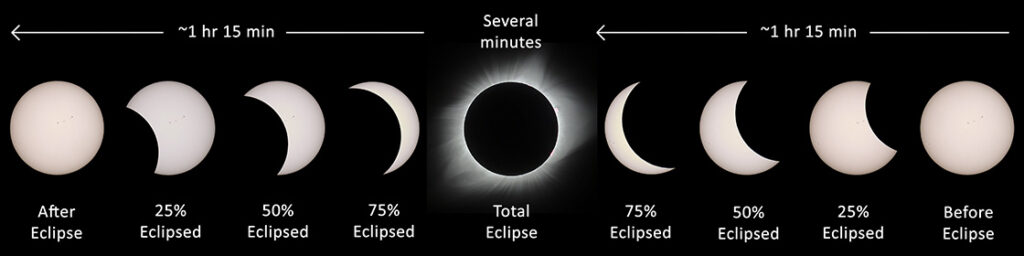
A solar eclipse happens when the Moon moves directly between the Sun and Earth. This alignment causes the Moon to cast a shadow on Earth, partially or totally blocking the Sun as seen by observers on the ground.
There are three main types of solar eclipses:
- Total solar eclipse, when the Moon completely covers the Sun
- Partial solar eclipse, when only part of the Sun is hidden
- Annular solar eclipse, when the Moon leaves a bright ring around the Sun
The Alignment of Sun, Moon, and Earth
Solar eclipses depend on the precise geometry of three bodies: the Sun, the Moon, and Earth.
The Moon’s orbit is tilted about five degrees relative to Earth’s orbit around the Sun. Only when the Moon crosses this plane during a new moon can a solar eclipse take place.
Umbra and Penumbra Shadows
The Moon casts two types of shadows on Earth:
- Umbra, the darkest central shadow where a total eclipse is seen
- Penumbra, the lighter outer shadow where only part of the Sun is blocked
How Often Do Solar Eclipses Occur
Solar eclipses happen two to five times every year somewhere on Earth. However, a total solar eclipse at one specific location is extremely rare and may occur only once every few centuries.
What Happens During Totality
When a total eclipse occurs, daylight fades into twilight, temperatures may drop slightly, and animals can behave as if evening has arrived. The Sun’s outer atmosphere, known as the corona, becomes visible for a short time.
Safe Viewing Tips
Looking directly at the Sun without proper protection can permanently damage eyesight. Always use certified eclipse glasses or approved solar filters on telescopes and cameras.
Scientific Value of Solar Eclipses
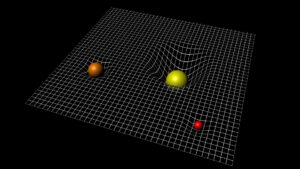
Eclipses allow scientists to study the Sun’s corona, measure Earth’s atmospheric effects, and test predictions of physics such as the bending of light by gravity.
Solar eclipses demonstrate the delicate balance of cosmic motion. Whether partial or total, these events offer both scientific insight and unforgettable visual experiences.