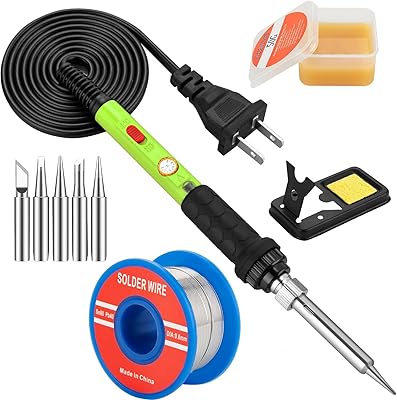
Solder plays a vital role in modern electronics and electrical systems. It is used to join metal components, ensuring both electrical conductivity and mechanical strength. From circuit boards to plumbing systems, solder is an essential material that enables reliable connections.
The solder manufacturing process involves precise material selection, controlled melting, and strict quality standards. This article explores how solder is produced, starting from raw metals and ending with finished solder wire or bars ready for industrial and consumer use.
Raw Materials Used in Solder Making
The primary materials used in solder production are metals with low melting points. Traditional solder is made from a combination of tin and lead, although lead free solder has become more common due to health and environmental regulations.
Common solder materials include tin, copper, silver, bismuth, and antimony. Each metal contributes specific properties such as melting temperature, strength, and wetting ability. The choice of materials depends on the intended application of the solder.
Melting and Alloy Formation
Once the raw metals are selected, they are carefully weighed and loaded into industrial melting furnaces. These furnaces are designed to maintain precise temperature control to prevent oxidation and ensure uniform mixing.
As the metals melt, they are stirred continuously to form a homogeneous alloy. This step is critical because uneven mixing can result in inconsistent solder performance. Temperature control is closely monitored to achieve the desired alloy composition.
Refining and Purification
After melting, the molten solder alloy may contain impurities such as oxides or unwanted particles. Refining processes are used to remove these contaminants. Fluxing agents are often added to bind with impurities, allowing them to be skimmed off the surface.
Purification improves solder reliability and ensures consistent electrical conductivity. High purity solder is especially important in electronics manufacturing, where even small defects can cause circuit failure.
Casting and Shaping
The refined molten solder is then cast into various forms depending on its final use. Common forms include solder bars, ingots, and rods. The molten alloy is poured into molds and allowed to cool under controlled conditions.
For solder wire production, the cast solder rods are further processed through extrusion or drawing machines. These machines pull the solder through progressively smaller dies to achieve the desired wire diameter.
Flux Core Integration
Many solder wires contain a flux core to improve bonding during soldering. During wire production, flux material is inserted into the center of the solder wire. This flux helps clean metal surfaces and improves the flow of molten solder during application.
The amount and type of flux are carefully controlled to meet different industry standards. Electronics solder typically uses rosin based or no clean flux formulations.
Cooling and Surface Treatment
After shaping, the solder products are cooled gradually to prevent internal stress and cracking. Some solder products may receive surface treatments to improve appearance or prevent oxidation during storage.
Proper cooling and handling ensure the solder maintains its mechanical integrity and remains easy to use for end users.
Quality Control and Testing
Before packaging, solder products undergo rigorous quality control testing. Tests include melting point verification, alloy composition analysis, tensile strength testing, and wetting performance evaluation.
These tests ensure that the solder meets international standards and performs consistently in real world applications.
Packaging and Distribution
Once approved, solder products are packaged in spools, bars, or coils depending on their form. Packaging materials are designed to protect the solder from moisture and contamination.
The finished solder is then distributed to electronics manufacturers, repair technicians, and industrial users worldwide.
The solder manufacturing process is a precise and carefully managed operation that combines metallurgy and industrial engineering. From raw metal selection to final quality testing, each step ensures the solder performs reliably in critical electrical and mechanical connections. Understanding this process highlights the importance of solder in supporting modern technology.