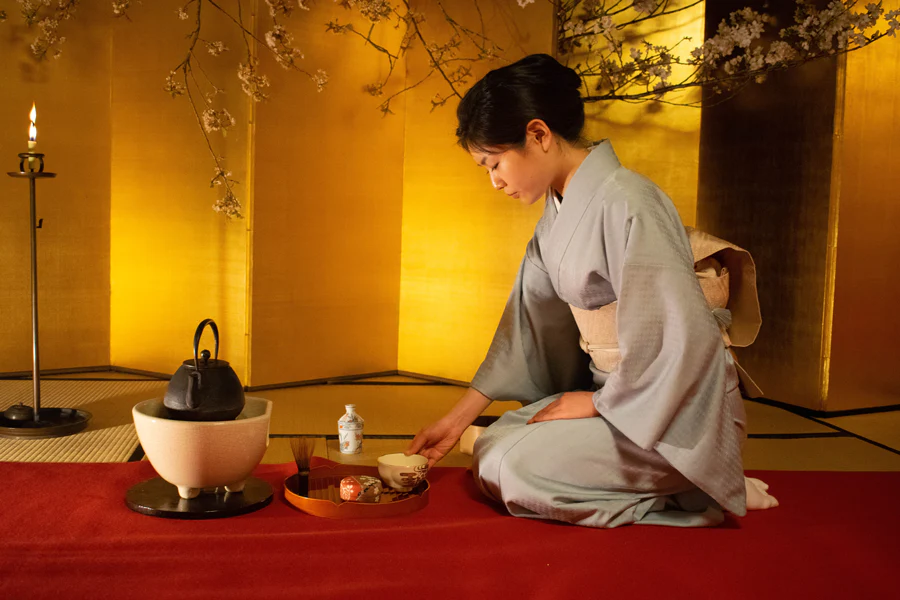
The Japanese Tea Ceremony, also known as Chado or the Way of Tea, is one of Japan’s most respected cultural traditions. It is a ritual that goes far beyond the act of drinking tea. Chado represents harmony, respect, purity, and tranquility, which are values deeply embedded in Japanese culture. For centuries, this ceremony has been practiced by monks, nobility, samurai families, and eventually the general public, becoming a symbol of grace and mindfulness. Today, the practice continues to attract visitors from around the world who want to experience the essence of Japanese spirituality and aesthetics.
The origins of Chado can be traced back to Zen Buddhism. In the twelfth century, Japanese monks brought back powdered green tea, known as matcha, from China. Over time, the preparation and serving of matcha evolved into a structured ritual influenced by Zen principles. The famous tea master Sen no Rikyu later shaped the ceremony into the form known today. His philosophy emphasized simplicity, humility, and the beauty of imperfection. These ideas continue to shape the aesthetics of the modern Tea Ceremony.
The environment where the Tea Ceremony takes place is just as important as the ritual itself. A traditional tea house is usually located in a peaceful garden, separated from everyday life. Guests walk along a stone path known as roji, symbolizing the journey from the outer world into a space of calm reflection. The entrance to the tea house is intentionally narrow to encourage guests to bow, signifying humility and equality. Inside, the room is designed with natural materials such as wood, bamboo, paper, and clay. Decorations are minimal, often including a single flower arrangement and calligraphy scroll. Every element reflects the Japanese concept of wabi sabi, which embraces simplicity and natural imperfections.
The ceremony begins with the host welcoming guests into the tea room. Before preparing tea, everyone participates in a cleansing ritual. Hands and mouths are washed using water from a stone basin. This symbolic purification helps guests enter the right state of mind. Once seated, the host carefully prepares matcha using a bamboo whisk, a tea bowl, and hot water. Every movement is deliberate and graceful, reflecting years of practice and discipline. Guests observe in silence, appreciating the beauty of each motion.
The serving of matcha is performed with great care. Guests bow to the host before receiving the bowl. They turn the bowl slightly before drinking to avoid sipping from the front, which is considered the most beautiful side. After finishing, they admire the craftsmanship of the bowl before passing it back to the host. This appreciation of fine details is a core feature of Chado. Tea utensils are often handmade by artisans and passed down through generations.
A Tea Ceremony is not complete without wagashi, which are traditional Japanese sweets. These sweets are designed to complement the bitterness of matcha. They also reflect the season. Spring sweets often include cherry blossom motifs, while autumn sweets feature maple leaves or chestnuts. The seasonal design adds an artistic touch and deepens the connection between nature and the ceremony.
Beyond the visual beauty, Chado carries powerful spiritual lessons. The ritual teaches people to slow down and appreciate the moment. It encourages mindfulness, kindness, and respect for others. Many practitioners view Chado as a lifelong path of self discipline and inner peace. In modern society, where life moves quickly, the Tea Ceremony offers a rare opportunity for introspection and stillness.
Today, the Japanese Tea Ceremony continues to play a significant role in cultural education. Schools, cultural centers, and temples often offer lessons for beginners. Tourists can participate in simplified versions of the ceremony in cities such as Kyoto, Tokyo, and Kanazawa. These experiences provide a deeper understanding of Japanese culture and allow visitors to witness a tradition that has been preserved for centuries.
The Tea Ceremony also influences Japanese architecture, interior design, and craftsmanship. Many contemporary designers draw inspiration from its minimalist beauty and natural materials. The philosophy of wabi sabi has become popular worldwide and is now embraced in lifestyle, art, and interior design trends.
In conclusion, the Japanese Tea Ceremony is not simply about drinking tea. It is a window into the Japanese mind, revealing values of respect, harmony, and spiritual balance. Its quiet and disciplined nature continues to inspire people around the world. Whether one participates as a guest or studies Chado as a lifelong practice, the Tea Ceremony offers meaningful lessons about patience, beauty, and mindfulness. It stands as one of Japan’s most treasured cultural traditions and remains an unforgettable experience for anyone seeking authenticity and serenity.