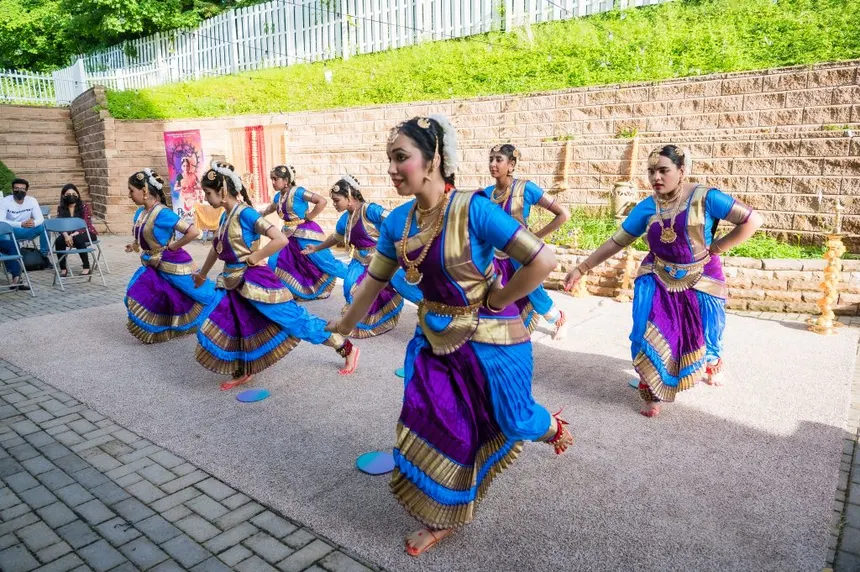
Indian classical dance is a rich cultural heritage that combines storytelling, music, and expressive movements. It has been preserved for centuries and continues to thrive in modern times.
Types of Classical Dance
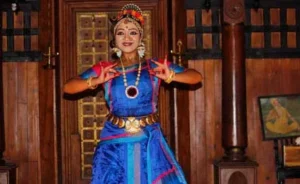
India is home to several classical dance forms, including Bharatanatyam, Kathak, Kathakali, Odissi, and Kuchipudi. Each style has its own unique techniques, costumes, and regional origins.
Also See : The History of Qatar – From Pearl Fishing Villages to a Global Energy Power
Symbolism and Expression
These dance forms are not just performances but a form of storytelling. Through hand gestures (mudras), facial expressions, and body movements, dancers convey emotions, myths, and spiritual themes.
Cultural Significance
Indian classical dance plays a vital role in preserving traditions and passing cultural values from one generation to the next. It is often performed during religious ceremonies, festivals, and cultural events, showcasing the depth and diversity of India’s artistic legacy.