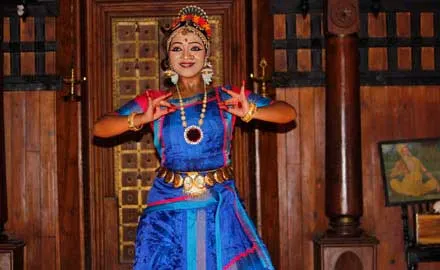
Indian folk dances are a vibrant expression of the country’s regional cultures, traditions, and everyday life. Unlike classical dance forms, folk dances are deeply rooted in local communities and are often performed during festivals, harvests, and social celebrations.
Diversity of Folk Dance Forms
India is home to hundreds of folk dances, each representing a specific region and cultural identity. For example, Bhangra from Punjab celebrates the harvest season with energetic movements, while Garba from Gujarat is performed during Navratri with rhythmic clapping and circular formations. Other forms like Ghoomar in Rajasthan and Lavani in Maharashtra showcase unique styles and storytelling traditions.
Also See : The Tradition of Fasting in Indian Culture
Music, Costumes, and Performance
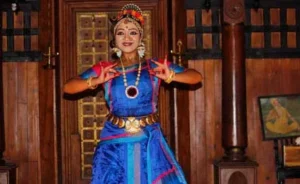
Folk dances are usually accompanied by traditional music played on local instruments such as dhol, flute, and harmonium. Performers wear colorful costumes that reflect regional heritage, often adorned with jewelry and symbolic patterns. The movements are lively, expressive, and easy to follow, encouraging community participation.
Cultural Significance
Folk dances play a crucial role in preserving local traditions and strengthening community bonds. They serve as a medium for storytelling, passing down legends, historical events, and social values from one generation to another. In modern times, these dances are also performed on national and international stages, showcasing India’s cultural diversity to the world.