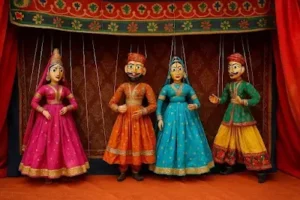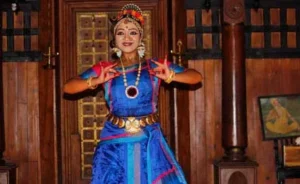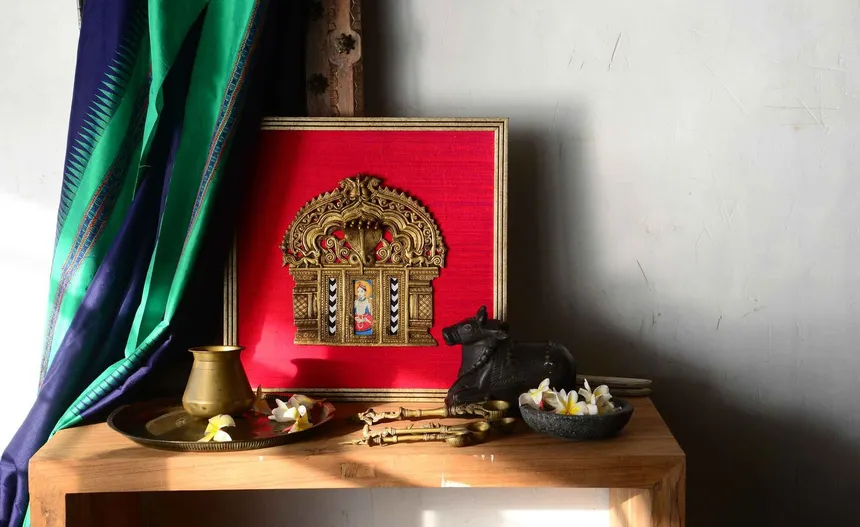
Indian handicrafts represent a rich cultural heritage that has been passed down through generations. These crafts showcase the creativity, skill, and artistic traditions of local artisans across the country.
Variety of Handicrafts
India offers a wide range of handicrafts, including pottery, textiles, wood carving, metalwork, and embroidery. Each region has its own distinctive style, such as block printing in Rajasthan, silk weaving in Varanasi, and carpet making in Kashmir.
Also See : The Tradition of Fasting in Indian Culture
Techniques and Materials
Artisans use traditional techniques and natural materials to create unique handmade products. These methods often require years of practice and are closely tied to local customs and lifestyles. Handicrafts are not mass-produced, making each piece special and meaningful.
Economic and Social Role
Handicrafts provide livelihoods to millions of artisans, especially in rural areas. They support local economies and help sustain traditional knowledge and skills in a rapidly modernizing world.
Cultural Significance
Indian handicrafts are more than decorative items—they are symbols of cultural identity and history. They preserve stories, traditions, and regional diversity, making them an important part of India’s cultural legacy.