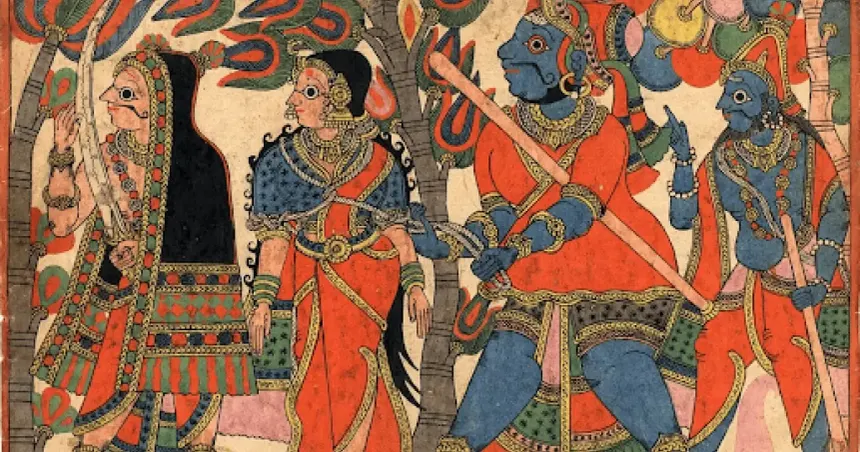
Storytelling has been an integral part of Indian culture for centuries, serving as a way to preserve history, teach moral lessons, and entertain communities.
Forms of Storytelling
India has a rich tradition of oral storytelling, including forms like Kathakalakshepam, Panchatantra tales, and folk narratives. These stories are often based on mythology, legends, and historical events.
Also See : The Tradition of Fasting in Indian Culture
Techniques and Performance
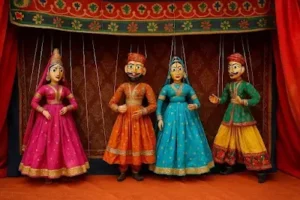
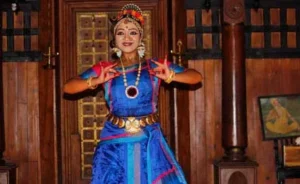
Storytellers use expressive narration, music, gestures, and sometimes dance to engage audiences. Performances may take place in temples, villages, or community gatherings, making them accessible to people of all ages.
Educational and Moral Role
Indian stories often carry moral lessons about honesty, courage, wisdom, and compassion. They are used to educate children and pass down cultural values from one generation to the next.
Cultural Significance
Storytelling preserves India’s rich heritage and collective memory. It strengthens cultural identity and continues to influence literature, theater, and modern media, making it a timeless tradition in Indian society.