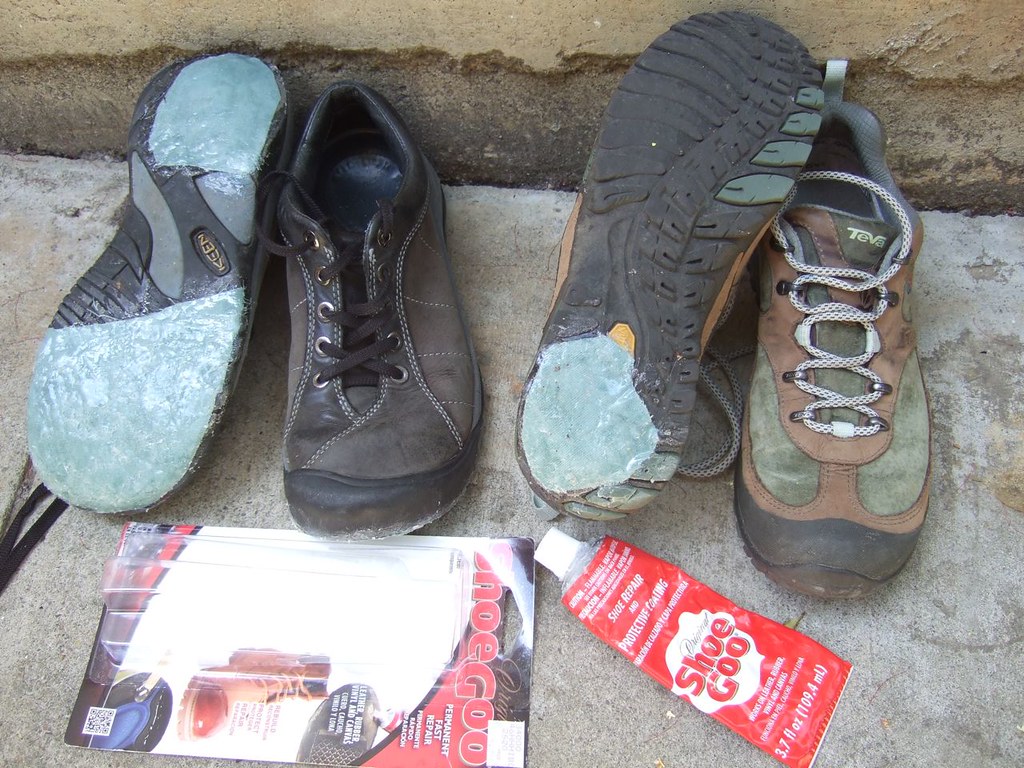
In today’s fast-paced world, keeping your favorite shoes in top condition is essential. Whether you’re dealing with a worn-out sole or a loose heel, shoe glue can be a lifesaver. This comprehensive guide explores the ins and outs of shoe glue, from its types and applications to tips for achieving professional results. With the right adhesive, you can extend the life of your footwear and save money on replacements. Let’s dive into the world of shoe adhesives and discover how they can transform your repair game.
What is Shoe Glue and Why Do You Need It?
Shoe glue, also known as shoe adhesive, is a specialized bonding agent designed to repair various parts of footwear. Unlike regular glues, shoe adhesives are formulated to withstand flexing, moisture, and wear. They bond materials like leather, rubber, canvas, and synthetics effectively. In 2026, with advancements in eco-friendly formulas, many shoe glues are now non-toxic and water-resistant, making them ideal for everyday use.
Why invest in quality shoe glue? Footwear repairs can prevent small issues from becoming major problems. For instance, a detached sole can lead to discomfort or injury if not fixed promptly. According to industry reports, proper maintenance can double the lifespan of shoes, reducing waste and promoting sustainability. Whether you’re a DIY enthusiast or just need a quick fix, understanding shoe glue is key.
Types of Shoe Glue: Choosing the Right One for Your Needs
Not all shoe glues are created equal. Here’s a breakdown of the most popular types:
- Contact Cement: Ideal for bonding soles and heels. It requires application on both surfaces and drying time before pressing together. Brands like Barge All-Purpose Cement are favorites among cobblers for their strong hold.
- Epoxy Adhesives: These two-part glues mix resin and hardener for a durable bond. They’re great for heavy-duty repairs on boots or athletic shoes. Epoxies cure to a hard finish, resisting impacts.
- Super Glues (Cyanoacrylates): Quick-drying and strong for small fixes like tears in uppers. However, they can be brittle, so use them sparingly on flexible areas.
- Urethane-Based Glues: Flexible and waterproof, perfect for rubber soles. Shoe Goo is a classic example, known for its versatility.
When selecting, consider the shoe material. Leather needs a glue that penetrates pores, while rubber requires flexibility. Always check for compatibility to avoid damaging your shoes.
Step-by-Step Guide: How to Use Shoe Glue Effectively
Repairing shoes with glue is straightforward if done correctly. Follow these steps for best results:
- Prepare the Surface: Clean the area with soap and water, then roughen it with sandpaper for better adhesion. Remove old glue residues.
- Apply the Glue: Spread a thin layer on both surfaces. For contact cement, let it tack up for 10-15 minutes.
- Bond and Clamp: Press the parts together firmly. Use clamps or heavy objects to hold them in place while drying.
- Cure Time: Most glues set in 24 hours, but full strength takes 48-72 hours. Avoid wearing the shoes immediately.
Tips: Work in a well-ventilated area, wear gloves, and test on a small spot first. For outdoor shoes, opt for weatherproof formulas.
Common Mistakes to Avoid When Using Shoe Glue
Even seasoned DIYers make errors. Over-applying glue can cause mess and weak bonds. Always use sparingly. Ignoring drying times leads to failures—patience is crucial. Using the wrong type, like super glue on rubber, results in cracking. Store glues properly to prevent drying out; tight caps and cool places extend shelf life.
Benefits of Shoe Glue for Sustainability and Cost Savings
In an era of fast fashion, repairing shoes reduces environmental impact. Gluing extends usability, cutting down on landfill waste. Economically, a $10 tube of glue can save hundreds on new pairs. With rising material costs in 2026, DIY repairs are more appealing than ever.
Top Shoe Glue Brands and Recommendations
- Shoe Goo: Versatile for all repairs.
- Gorilla Glue: Strong for tough jobs.
- E6000: Flexible and industrial-strength.
Read reviews and choose based on your needs.
Maintenance Tips to Prevent Future Repairs
Regular cleaning, proper storage, and timely fixes keep shoes intact. Use protectors for soles and condition leather periodically.
Shoe glue empowers you to handle repairs confidently. With practice, you’ll achieve pro-level results, keeping your footwear looking new.