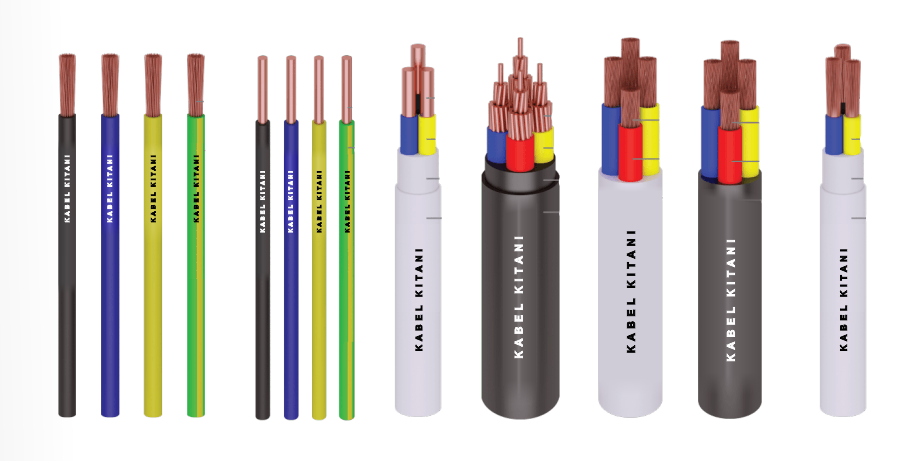
Cables are the unsung heroes of modern technology, powering everything from your home electricity to high-speed internet and crystal-clear audio-video setups. Whether you’re setting up a home network, upgrading your entertainment system, or handling industrial wiring, understanding the types of cables is essential. In this comprehensive guide, we’ll explore the most common cable types, their uses, benefits, and how to choose the right one.
1. Electrical Power Cables
Electrical cables are designed to transmit power safely and efficiently. They come in various sizes and ratings for residential, commercial, and industrial use.
- Common Types: NM-B (Romex) for home wiring, armored cables for protection, underground cables for buried installations.
- Uses: Home wiring, appliances, power distribution.
- Benefits: Insulated for safety, durable against moisture and damage.
- Key Consideration: Choose based on voltage rating and amperage needs to avoid overloads.
2. Network Cables (Ethernet Cables)
For reliable wired internet connections, Ethernet cables remain a top choice in 2026, especially with rising demands for high-speed networking.
- Popular Categories:
- Cat5e: Up to 1 Gbps, affordable for basic networks.
- Cat6/Cat6a: Up to 10 Gbps, better shielding against interference.
- Cat8: For data centers, supporting 40 Gbps over short distances.
- Uses: Home/office networking, gaming, PoE (Power over Ethernet) for devices like IP cameras.
- Benefits: Low latency, immune to wireless interference.
3. Fiber Optic Cables
Fiber optic cables revolutionize data transmission by using light pulses instead of electricity.
- Types: Single-mode (long distances) vs. multi-mode (shorter ranges).
- Uses: High-speed internet, telecommunications, data centers.
- Benefits: Ultra-fast speeds (up to terabits), no electromagnetic interference, long-distance transmission without signal loss.
4. Audio and Video Cables
Connect your devices for superior sound and picture quality with these specialized cables.
- HDMI Cables: Transmit high-definition video and audio in one cable. Supports 4K/8K, HDR, and ARC.
- USB Cables: For charging, data transfer, and connecting peripherals (USB-C is dominant in 2026 for versatility).
- Optical (Toslink) Cables: Digital audio transmission with no interference.
- Coaxial Cables: For cable TV, internet modems, and some audio setups.
How to Choose the Right Cable
- Assess Your Needs: Speed, distance, environment (indoor/outdoor).
- Shielding: Opt for shielded cables in noisy areas to reduce interference.
- Future-Proofing: Go for higher categories like Cat6a or fiber for longevity.
- Safety and Quality: Look for certifications (UL, TIA) to ensure reliability.
In 2026, with smarter homes and faster networks, investing in quality cables pays off. Whether you’re dealing with electrical cables, fiber optic cables, or network cables, the right choice ensures seamless performance.