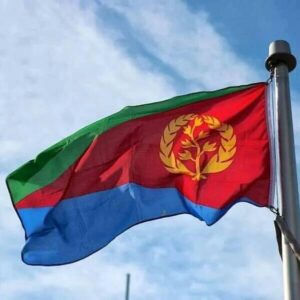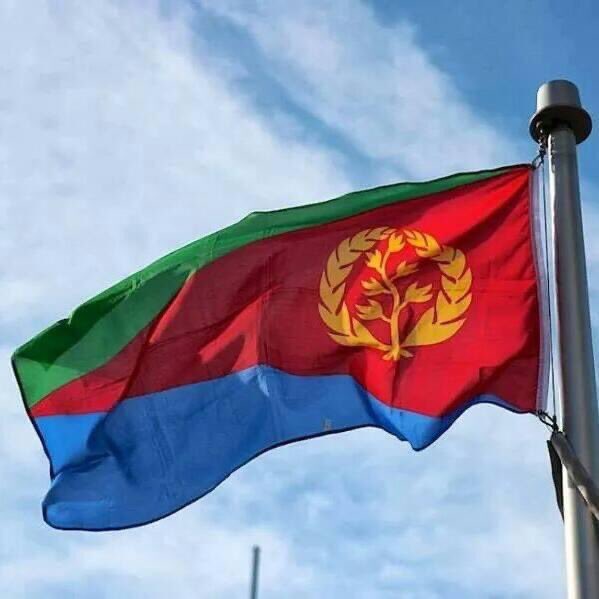
Eritrea is located in the Horn of Africa, bordered by Sudan, Ethiopia, Djibouti, and the Red Sea. Although officially independent only since 1993, Eritrea’s historical roots stretch back thousands of years. The nation’s identity was shaped by ancient civilizations, colonial ambitions, and one of Africa’s longest liberation struggles.
Today, Eritrea represents resilience forged through decades of resistance and cultural endurance.
Early Human Settlement and Ancient Trade Routes
Archaeological evidence suggests that humans lived in Eritrea during prehistoric times. Its Red Sea coastline made it a strategic gateway between Africa and the Middle East. Ancient trading communities exchanged gold, ivory, spices, and livestock with merchants from Arabia and the Mediterranean.
These early trade networks laid the foundation for Eritrea’s importance in regional commerce.
The Aksumite Empire and Cultural Development
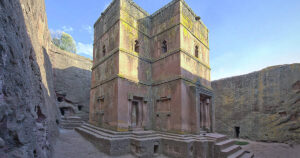
Between the first and seventh centuries CE, Eritrea formed part of the powerful Kingdom of Aksum. This empire controlled vital trade routes and developed sophisticated systems of governance.
Aksumite rulers introduced coinage, monumental architecture, and Christianity. The port city of Adulis became a commercial hub linking Africa with Asia and Europe.
Foreign Influence and Ottoman Control
After Aksum declined, Eritrea experienced periods of foreign influence including Ottoman and Egyptian administration along the coast. Local communities maintained traditional governance while adapting to shifting political control.
Italian Colonization
In the late nineteenth century, Italy colonized Eritrea, making it Africa’s first Italian colony. Infrastructure such as railways and urban planning, especially in Asmara, reflected European architectural styles.
Despite modernization efforts, Eritreans faced political exclusion and economic exploitation.
British Administration and Federation with Ethiopia
Following Italy’s defeat in World War II, Britain administered Eritrea until the United Nations federated it with Ethiopia in 1952. Ethiopia gradually dismantled Eritrean autonomy, fueling widespread dissatisfaction.
Eritrean War of Independence
Armed resistance began in 1961. The Eritrean Liberation Front and later the Eritrean People’s Liberation Front led guerrilla warfare against Ethiopian forces.
After three decades of fighting, Eritrean forces liberated Asmara in 1991.
Independence and Nation Building
A UN referendum in 1993 confirmed independence. Eritrea focused on rebuilding infrastructure and institutions while promoting self reliance.
However, tensions with Ethiopia led to another war from 1998 to 2000, leaving lasting economic and political consequences.
Eritrea Today
Modern Eritrea emphasizes national unity and independence. While facing international criticism over governance, Eritreans maintain strong pride in their hard won sovereignty.
Eritrea’s history is defined by perseverance. From ancient empires to modern liberation, the nation’s journey reflects courage and cultural continuity.