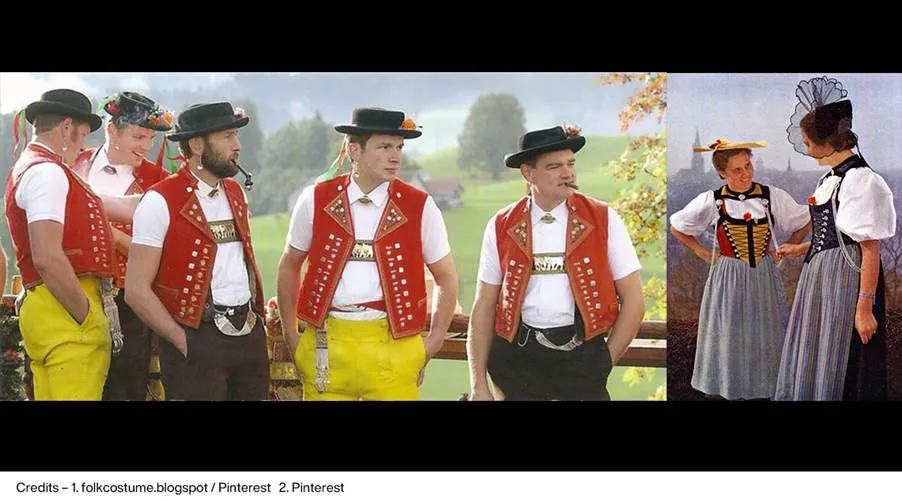
Switzerland’s cultural fabric is woven with meticulous crafts, and the Appenzell embroidery stands as a vibrant testament to artistic heritage in the eastern region. Known for its colorful patterns on traditional costumes, this handiwork adorns dirndls, vests, and hats, blending floral motifs with alpine symbols. For fashion historians and cultural enthusiasts, Appenzell embroidery reveals the intricate beauty of Swiss textile traditions.
Origins of Appenzell Embroidery
Emerging in the 18th century amid rural Appenzell, embroidery began as a home-based craft for women to embellish family clothing during long winters. Influenced by local folklore and nature, designs incorporate edelweiss, cows, and geometric patterns, evolving from simple stitches to elaborate works sold as souvenirs. It’s preserved through family workshops and the Appenzell Museum, highlighting regional identity.
Techniques and Craftsmanship
Artisans use fine cotton or silk threads on linen bases, employing techniques like satin stitch, chain stitch, and cross-stitch for raised, vivid effects. Patterns are drawn freehand or stenciled, with colors like red, yellow, and black dominating. Modern adaptations include machine aid, but traditional hand embroidery remains prized, taking hours for a single piece.
Cultural Importance and Where to See It
This tradition symbolizes Appenzell pride, featured in festivals like cattle descents or folk dances where embroidered costumes shine. Visitors can explore workshops in Appenzell town or buy authentic pieces at markets. It fosters community and tourism, keeping Swiss craftsmanship alive in a digital age.
Appenzell embroidery threads history with artistry, making it a must-discover for textile lovers.