Denmark, a Nordic gem nestled in Northern Europe, boasts a history that spans millennia, blending Viking conquests with modern social triumphs. Known for its hygge culture and progressive policies, Denmark’s past is a tapestry of exploration, warfare, and innovation. This comprehensive guide delves into the key chapters of Denmark’s history, highlighting pivotal events, influential figures, and cultural shifts that shaped this resilient nation. Whether you’re a history buff or planning a trip to Copenhagen, understanding Denmark’s timeline offers profound insights into its identity.
Prehistoric Beginnings and Early Settlements
Denmark’s story begins in the Stone Age, around 12,000 BCE, when hunter-gatherers first inhabited the region after the Ice Age retreat. Archaeological evidence reveals advanced tools and burial sites, indicating organized societies. By the Bronze Age (1700-500 BCE), Denmark became a hub for trade, with amber exports linking it to Mediterranean civilizations. The Iron Age followed, marked by the arrival of Germanic tribes who laid the foundations for Danish language and customs.
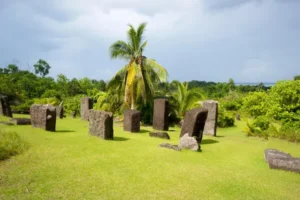
These early inhabitants constructed impressive megalithic tombs, known as dolmens, which dot the landscape today. The Jelling Stones, erected in the 10th century, are UNESCO-listed runestones that commemorate the transition from paganism to Christianity, symbolizing Denmark’s evolving cultural landscape. This period set the stage for the Viking era, where Denmark’s seafaring prowess would redefine European history.
The Viking Age: Raiders, Traders, and Explorers
One of the most iconic periods in Denmark’s history is the Viking Age, spanning from 793 to 1066 CE. Vikings, originating from Denmark, Norway, and Sweden, embarked on daring raids across Europe, reaching as far as North America. The first recorded Viking attack was on Lindisfarne Monastery in England in 793, igniting an era of expansion.
Danish Vikings, under leaders like Harald Bluetooth, unified tribes and established trade routes. Bluetooth’s conversion to Christianity in the 960s marked a turning point, blending Norse mythology with Christian influences. The Vikings weren’t just pillagers; they were skilled craftsmen, merchants, and settlers who founded cities like Dublin and influenced English law. Artifacts from this era, such as longships and jewelry, are preserved in museums like the National Museum of Denmark.
By the late Viking period, Denmark emerged as a kingdom under figures like Canute the Great, who ruled over England, Denmark, and Norway in the 11th century. This “North Sea Empire” showcased Denmark’s imperial ambitions, though it crumbled after Canute’s death.
Medieval Denmark: Unions, Conflicts, and Reformation
The Middle Ages saw Denmark’s consolidation as a power through the Kalmar Union in 1397, uniting Denmark, Sweden, and Norway under Queen Margaret I. This alliance dominated Northern Europe but dissolved amid rebellions in 1523. Internal strife, including civil wars and territorial losses, plagued the era.
The Reformation arrived in 1536 when King Christian III imposed Lutheranism, severing ties with the Catholic Church and reshaping society. Wars with Sweden, like the Northern Seven Years’ War (1563-1570), eroded Denmark’s influence, leading to the loss of Skåne and other provinces in the 17th century.
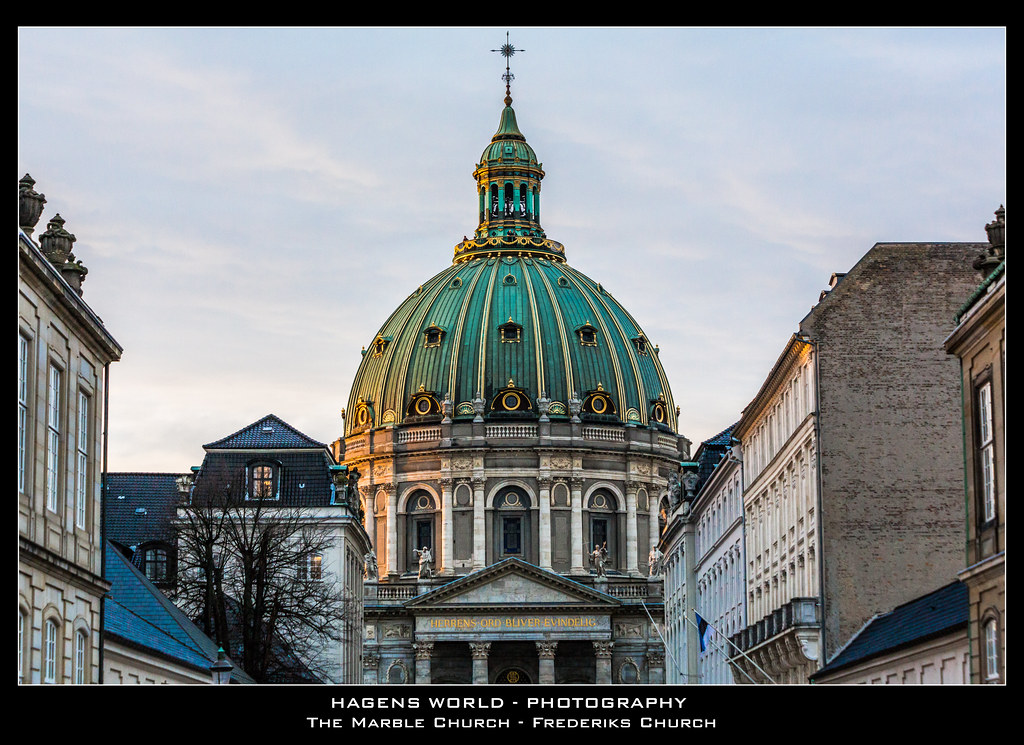
Despite setbacks, cultural advancements flourished. Copenhagen grew as a capital, with architectural marvels like Rosenborg Castle emerging. The Danish monarchy, traceable to Gorm the Old in the 10th century, evolved from elective to hereditary rule.
The Age of Enlightenment and Colonial Ventures
The 18th century brought Enlightenment ideas, fostering reforms in education and agriculture. Denmark’s colonial empire included territories in India, the Caribbean (Virgin Islands), and West Africa, profiting from the transatlantic slave trade until its abolition in 1803.
The Napoleonic Wars devastated Denmark, culminating in the loss of Norway to Sweden in 1814 and the bombardment of Copenhagen by the British in 1807. These humiliations spurred nationalism, leading to the 1849 constitution that established a constitutional monarchy.
Modern Denmark: Wars, Welfare, and EU Integration
The 19th century featured the Schleswig-Holstein Wars (1848-1850 and 1864), resulting in further territorial concessions to Prussia. Industrialization transformed Denmark into an agricultural powerhouse, with cooperatives boosting dairy and pork exports.
World War I saw Denmark neutral, but World War II brought German occupation from 1940-1945. The resistance movement and post-war reconstruction paved the way for the welfare state, emphasizing universal healthcare and education.
In 1949, Denmark joined NATO, and in 1973, the European Economic Community (now EU). Greenland and the Faroe Islands remain autonomous territories. Today, Denmark ranks high in happiness indices, thanks to progressive policies under leaders like Queen Margrethe II, who abdicated in 2024.
Denmark’s Cultural Legacy and Future Outlook
Denmark’s history influences its global role, from LEGO inventions to renewable energy leadership. Sites like Roskilde Cathedral and Viking museums attract millions, preserving this heritage. As climate challenges loom, Denmark’s innovative spirit endures, making its history a blueprint for resilience.