The Comoros Islands, a volcanic archipelago in the Indian Ocean, boast a captivating history shaped by migrations, trade, and colonial influences. Often overlooked in global narratives, the history of Comoros reveals a blend of African, Arab, and European elements that have forged a unique cultural identity. This article explores key timelines, events, and figures in Comoros history, highlighting its journey from early inhabitants to a sovereign nation.
Pre-Colonial Era: Ancient Inhabitants and Trade Networks
Human settlement in Comoros dates back to around 800–1000 AD, with Austronesian sailors from Southeast Asia arriving via Madagascar. These early settlers intermingled with Bantu-speaking Africans and Arab traders, creating a Swahili-influenced society. By the 7th century, the islands were part of Indian Ocean trade routes, exchanging spices, slaves, and goods with Persia, India, and East Africa. Grande Comore, Anjouan, Mohéli, and Mayotte formed sultanates, with Anjouan emerging as a dominant power by 1500.
The islands’ strategic location attracted Malagasy raiders from Madagascar starting in 1793, who sought slaves, disrupting local societies. Prior to European contact, Comoros was a mosaic of independent sultanates, with Islam introduced by Arab merchants around the 11th century, becoming the dominant religion. This era laid the foundation for Comoros’ matrilineal customs and vibrant oral traditions.
European Discovery and Colonial Rule
Portuguese explorers first visited in 1505, with cartographer Diego Ribero mapping the islands in 1527. However, European influence remained minimal until the 19th century, when France eyed the archipelago for its naval routes. In 1841, France established rule over Mayotte, expanding to the other islands by 1886, making Comoros a protectorate. By 1912, it was administered as a colony from Madagascar.
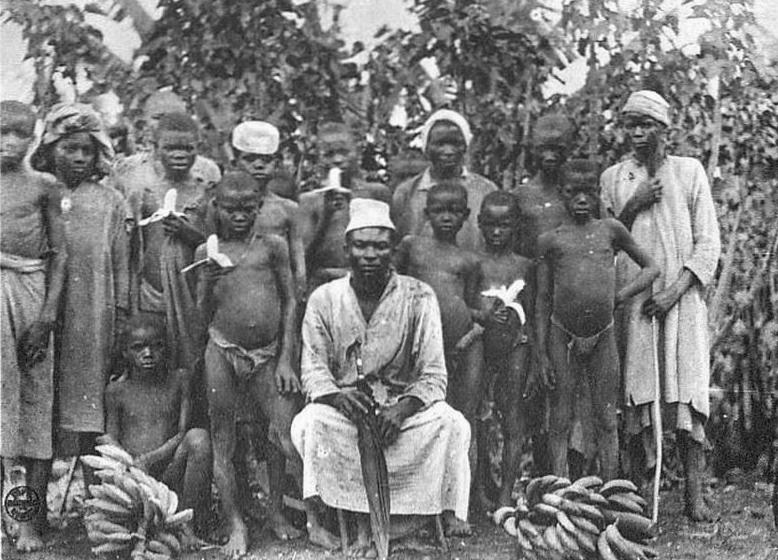
Colonialism brought plantations of vanilla, cloves, and ylang-ylang, but also exploitation. Slavery persisted until 1904, with up to 40% of the population enslaved. During World War II, British forces occupied the islands in 1942, handing them to Free French control. Post-war, Comoros became a French overseas territory in 1947, gaining internal autonomy in 1961.
Path to Independence and Political Turbulence
A 1974 referendum saw majorities on Grande Comore, Anjouan, and Mohéli vote for independence, while Mayotte favored French rule. On July 6, 1975, Ahmed Abdallah declared independence for the entire archipelago, but France retained Mayotte, leading to ongoing disputes. The new nation faced instability; Abdallah was deposed, and Ali Soilih’s socialist regime followed until a 1978 coup by mercenary Bob Denard reinstated Abdallah.
The 1980s and 1990s saw more coups, including Denard’s involvement until 1995. Anjouan and Mohéli attempted secession in 1997, prompting military intervention. A 2001 constitution established the Union of the Comoros, rotating presidency among islands.
Modern Comoros: Challenges and Cultural Resilience
Today, Comoros grapples with poverty, political volatility, and natural disasters like volcanic eruptions. Azali Assoumani’s 2016 presidency has seen accusations of authoritarianism. Yet, the nation’s Islamic heritage, French-Arabic influences, and biodiversity shine through. Moroni, the capital, reflects this with its Arab-style architecture.
Comoros history underscores resilience amid adversity, from ancient trade hubs to a young republic. As it navigates global ties, including with the African Union, its story inspires.