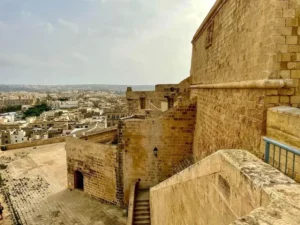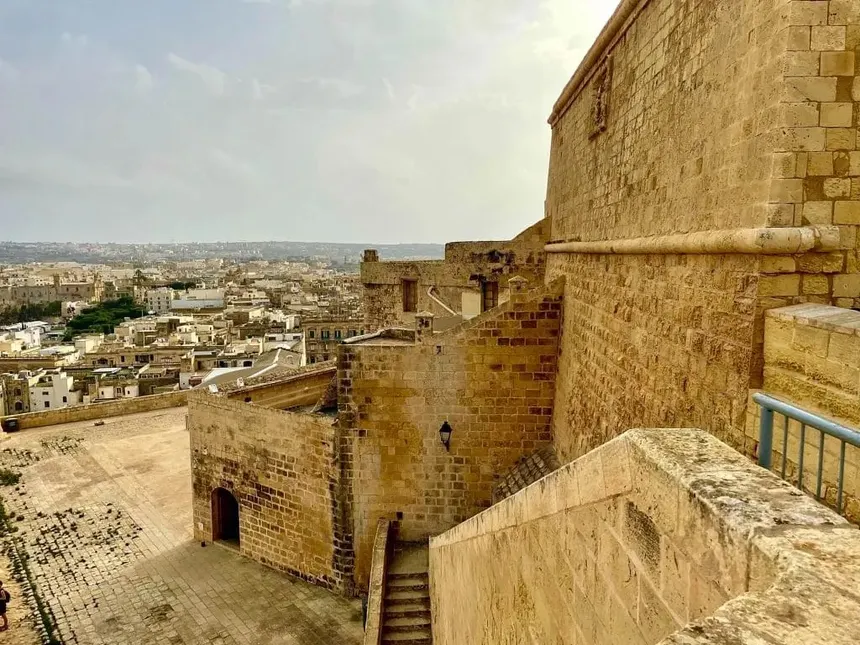
Malta, a jewel in the Mediterranean Sea, boasts a history that spans over 7,000 years, making it one of Europe’s oldest inhabited regions. This archipelago, consisting of Malta, Gozo, and Comino, has been a crossroads of civilizations due to its strategic location between Europe, Africa, and the Middle East. From prehistoric temples to modern independence, Malta’s story is a tapestry of conquests, cultures, and resilience. In this comprehensive guide, we’ll explore the key eras that shaped this tiny yet mighty nation, highlighting why its history continues to captivate historians and travelers alike.
Prehistoric Beginnings The Dawn of Civilization in Malta
Malta’s history dates back to around 5900 BCE when Neolithic farmers from Sicily arrived, establishing one of the world’s earliest agricultural societies. These early inhabitants built remarkable megalithic temples, such as Ħaġar Qim and Mnajdra, which predate Egypt’s pyramids and Stonehenge. Recognized as UNESCO World Heritage Sites, these structures demonstrate advanced engineering and astronomical knowledge, with alignments to solstices and equinoxes.
Also See : The History of the Maldives From Ancient Buddhist Kingdoms to a Global Luxury Destination
By 3500 BCE, the Temple Period flourished, featuring hypogeums like the Ħal Saflieni Hypogeum, an underground burial complex that could hold thousands of remains. Artifacts from this era, including the famous “Fat Lady” statues symbolizing fertility, reveal a matriarchal society focused on agriculture and ritual. However, around 2500 BCE, this civilization mysteriously declined, possibly due to environmental changes or overpopulation, paving the way for Bronze Age settlers who introduced metalworking and fortified villages.
Ancient Empires: Phoenicians, Greeks, and Romans
Around 1000 BCE, the Phoenicians, seafaring traders from modern-day Lebanon, colonized Malta, naming it “Maleth” meaning “safe haven.” They established trade routes, introducing the alphabet and viticulture. Carthaginian influence followed, turning Malta into a Punic stronghold during the Punic Wars.
In 218 BCE, during the Second Punic War, Rome seized Malta, integrating it as part of the province of Sicilia. Under Roman rule (218 BCE–395 CE), Malta prospered with villas, baths, and aqueducts. Christianity arrived early; legend holds that St. Paul shipwrecked here in 60 CE, converting the islanders. Archaeological sites like the Domvs Romana in Rabat showcase Roman mosaics and luxury, while catacombs in Mdina reflect early Christian burials.
As the Roman Empire split, Malta fell under Byzantine control from 395 CE, facing Arab raids until full conquest in 870 CE by the Aghlabids from North Africa.
Medieval Malta: Arab Rule and the Knights of St. John
The Arab period (870–1091 CE) transformed Malta culturally and linguistically. Introducing irrigation systems, citrus fruits, and cotton, the Arabs boosted agriculture. Maltese, a Semitic language derived from Siculo-Arabic, traces its roots here. Mdina, the ancient capital, was fortified, and Islam became dominant until the Norman conquest in 1091 CE by Roger I of Sicily.
Malta then passed through various European rulers, including the Swabians, Angevins, and Aragonese. In 1530, Emperor Charles V granted Malta to the Knights Hospitaller (Knights of St. John), exiled from Rhodes by the Ottomans. The Knights built Valletta, a Baroque masterpiece and UNESCO site, after the heroic Great Siege of 1565, where 700 knights repelled 40,000 Ottoman troops. This victory solidified Malta’s role as a Christian bulwark against Ottoman expansion.
The Knights’ rule (1530–1798) saw architectural booms, including auberges and fortifications. However, internal corruption and the French Revolution led to Napoleon’s invasion in 1798, ending their era.
Colonial Era: British Influence and World Wars
Seeking protection from French occupation, Maltese leaders invited British intervention in 1800. Malta became a British protectorate in 1813 and a crown colony in 1814. The 19th century brought economic growth through the Suez Canal’s opening in 1869, turning Malta into a vital naval base.
During World War I, Malta served as the “Nurse of the Mediterranean,” treating over 135,000 wounded soldiers. In World War II, Malta endured intense Axis bombings from 1940–1943, earning the George Cross from King George VI for collective heroism. The siege claimed thousands of lives but showcased Maltese resilience, with underground shelters and rationing becoming daily realities.
Post-war, Malta pushed for self-governance, achieving it in 1961 under Prime Minister George Borg Olivier.
Path to Independence and Modern Malta
Malta gained independence from Britain on September 21, 1964, becoming a constitutional monarchy with Queen Elizabeth II as head of state. In 1974, it transitioned to a republic, with Sir Anthony Mamo as the first president. The 1970s saw the closure of British military bases in 1979, marking full sovereignty.
Joining the European Union in 2004 and adopting the euro in 2008, Malta evolved into a thriving economy based on tourism, finance, and gaming. Recent history includes debates on neutrality, migration, and environmental issues, with Valletta named European Capital of Culture in 2018.
Challenges persist, such as overdevelopment and political scandals, but Malta’s heritage remains a draw. From prehistoric wonders to wartime valor, its history underscores a narrative of adaptation and endurance.
Why Malta’s History Matters Today
Malta’s past influences its present identity, blending Maltese, Italian, and English cultures. Annual festivals like the Feast of St. Paul commemorate historical events, while sites attract millions of tourists. Understanding Malta’s history offers insights into Mediterranean geopolitics and human resilience.
In summary, Malta’s 7,000-year journey from ancient temples to EU membership exemplifies how a small island can shape global history. Whether you’re planning a visit or studying ancient civilizations, Malta’s story is endlessly inspiring. (Word count: 812)