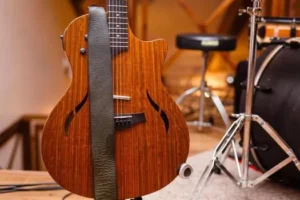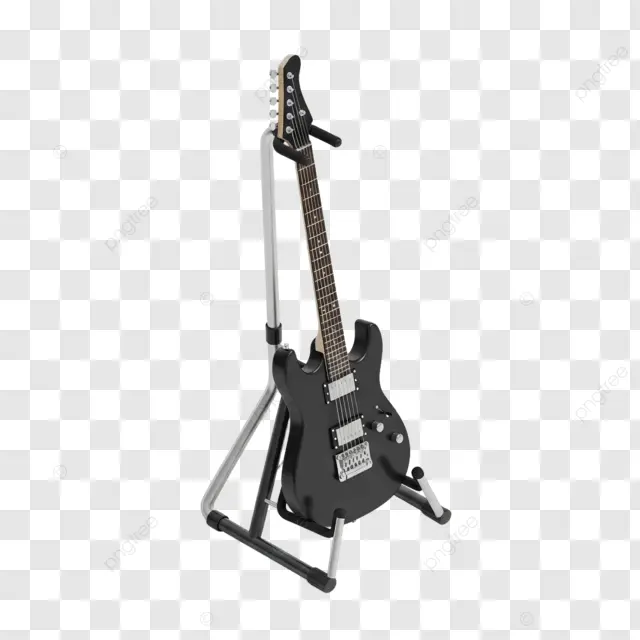
The electric guitar stands as one of the most influential instruments in modern music. Its powerful sound broad tonal capabilities and striking visual presence have made it essential for genres such as rock metal blues jazz and pop. Since its introduction in the early twentieth century the electric guitar has transformed the music world by offering sounds and techniques that were previously impossible with acoustic instruments. Today it remains a symbol of creativity innovation and musical freedom.
One key reason the electric guitar stays relevant is its ability to produce an extremely wide range of tones. With the use of amplifiers effects pedals and digital processors musicians can shape their sound in countless ways. A single guitar can create smooth jazz melodies heavy metal riffs sharp funk rhythms or atmospheric ambient textures. This flexibility allows players to develop unique identities and signature tones that stand out in recordings and live performances.
The construction of an electric guitar also plays a significant role in its sound and performance. Solid body guitars reduce feedback issues making them suitable for high volume situations. Popular tonewoods such as alder ash mahogany and maple influence sustain brightness and warmth. The type of pickups whether single coil humbucker or active pickups also changes the character of the guitar. Single coils offer bright and crisp tones while humbuckers deliver thicker and more powerful sounds ideal for rock and metal. Active pickups provide clarity for modern high gain music. These components help players customize their guitars to match their preferred style and tone.
Electric guitars have shaped entire generations of musicians through iconic artists and memorable performances. Legends such as Jimi Hendrix Eric Clapton Eddie Van Halen and Jimmy Page revolutionized guitar playing with innovative techniques and groundbreaking sounds. Their influence continues through modern players like John Mayer Tosin Abasi and Polyphia’s Tim Henson who push the boundaries of what an electric guitar can do. These artists demonstrate how the electric guitar evolves with each generation inspiring players to experiment and find new creative paths.
Another major appeal of electric guitars is the range of techniques they allow. Players can use bending tapping sweeping vibrato and harmonics to produce expressive and dramatic sounds. These techniques have become essential in many genres and contribute to the instrument’s unique identity. The electric guitar gives musicians the freedom to explore complex solos intricate riffs and powerful chord progressions that capture the attention of audiences worldwide.
Electric guitars also have a strong presence in modern digital music production. With the rise of software plugins and virtual amplifiers musicians can record high quality guitar tracks directly into computers. This accessibility makes it easier than ever for beginners to experiment with different tones without needing expensive physical equipment. Recording studios often combine real amplifiers with digital processing to achieve polished and dynamic results. This evolution has helped electric guitars remain central in both traditional and digital music environments.
For beginners choosing the right electric guitar is essential. Comfort weight and playability matter as much as tone. A guitar with a smooth fretboard stable tuning machines and comfortable neck shape can make learning more enjoyable. Popular beginner friendly brands include Squier Ibanez Yamaha and Epiphone while professional musicians often prefer Fender Gibson PRS and ESP. Each brand has its own characteristics giving players plenty of options to find the perfect match.
Amplifiers are equally important because they shape the guitar’s final sound. Small practice amps are ideal for home use while larger tube amps are popular for live performances. Many modern amplifiers offer modeling features that simulate different tones allowing players to experiment with multiple sound options.
The cultural influence of electric guitars is undeniable. From rock concerts to film soundtracks the intense emotion and power of electric guitar music continue to resonate globally. The instrument remains a symbol of rebellion creativity and musical passion. Even with changing trends in the music industry the electric guitar maintains its status as a cornerstone of modern music.
In the end the electric guitar continues to thrive because it allows endless exploration. Its adaptability strong cultural presence and evolving technology ensure that it will inspire new generations of musicians for many years ahead. Whether on stage in a studio or in a bedroom practice session the electric guitar remains a powerful instrument that shapes the sound of modern music.