Jupiter, the fifth planet from the Sun, earns its nickname as the giant planet (or “planet raksasa” in some languages) due to its overwhelming size, mass, and dominance in our solar system. Often referred to as the king of planets or the largest planet in the solar system, Jupiter’s gigantic proportions set it apart from all others.
Here are the main reasons why Jupiter is called the giant planet:
1. Enormous Size and Diameter
Jupiter is by far the largest planet by diameter. Its equatorial diameter measures about 142,984 kilometers (88,846 miles)—more than 11 times the diameter of Earth.
To put this in perspective:
You could fit over 1,300 Earths inside Jupiter’s volume!
2. Incredible Mass
Jupiter’s mass is approximately 318 times that of Earth, making it more massive than all other planets in the solar system combined (about 2.5 times the mass of the rest).
This immense gravity influences the orbits of nearby objects and protects inner planets by attracting comets and asteroids.
Key stats in this infographic:
3. Classification as a Gas Giant
As a gas giant (or Jovian planet), Jupiter consists mostly of hydrogen (about 90%) and helium, similar to the Sun. It lacks a solid surface, with a thick atmosphere featuring colorful cloud bands and the iconic Great Red Spot a massive storm larger than Earth that has raged for centuries.
These features contribute to its “giant” reputation among the outer planets.
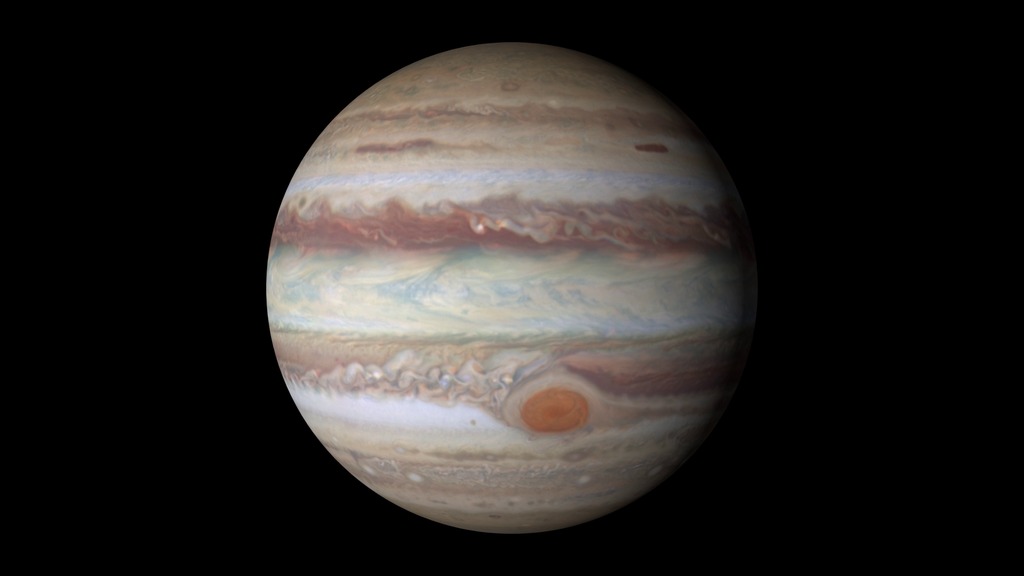
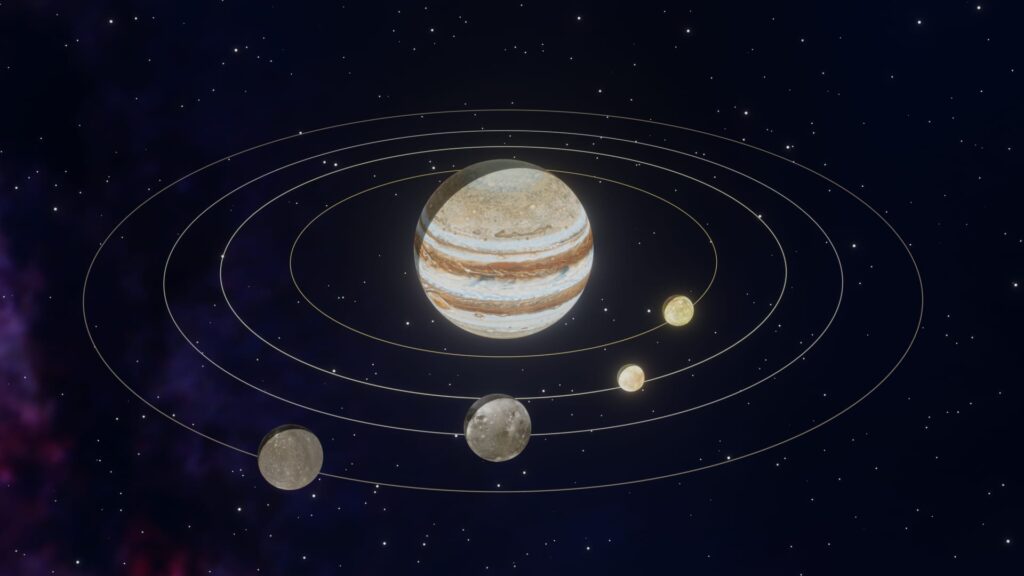
4. Numerous Moons and a Mini Solar System
Jupiter has at least 95 confirmed moons, including the four large Galilean moons (Io, Europa, Ganymede, and Callisto) discovered by Galileo in 1610. Ganymede is even larger than Mercury!
This vast system of moons makes Jupiter resemble a miniature solar system.
Comparison Table: Jupiter vs. Other Planets
| Feature | Jupiter | Earth | Saturn (Next Largest) |
|---|---|---|---|
| Diameter (km) | 142,984 | 12,742 | 120,536 |
| Mass (Earth = 1) | 318 | 1 | 95 |
| Volume (Earths) | ~1,321 | 1 | ~764 |
| Moons | 95+ | 1 | 146+ |
| Type | Gas Giant | Terrestrial | Gas Giant |
Why These Traits Make Jupiter the “Giant Planet”
During the solar system’s formation, Jupiter accumulated vast amounts of gas in the colder outer regions, growing into a behemoth before the Sun’s winds cleared away excess material. Its size and mass give it a commanding presence, visible even to the naked eye as one of the brightest objects in the night sky.
The title of giant planet perfectly fits Jupiter due to its unmatched size, mass, stormy atmosphere, and extensive moon system. As NASA’s Juno mission continues to reveal more secrets, Jupiter remains a fascinating subject for astronomers and space enthusiasts alike.
Curious about Jupiter’s storms, moons, or comparisons to other giants? Explore more our solar system’s largest planet has endless wonders!